


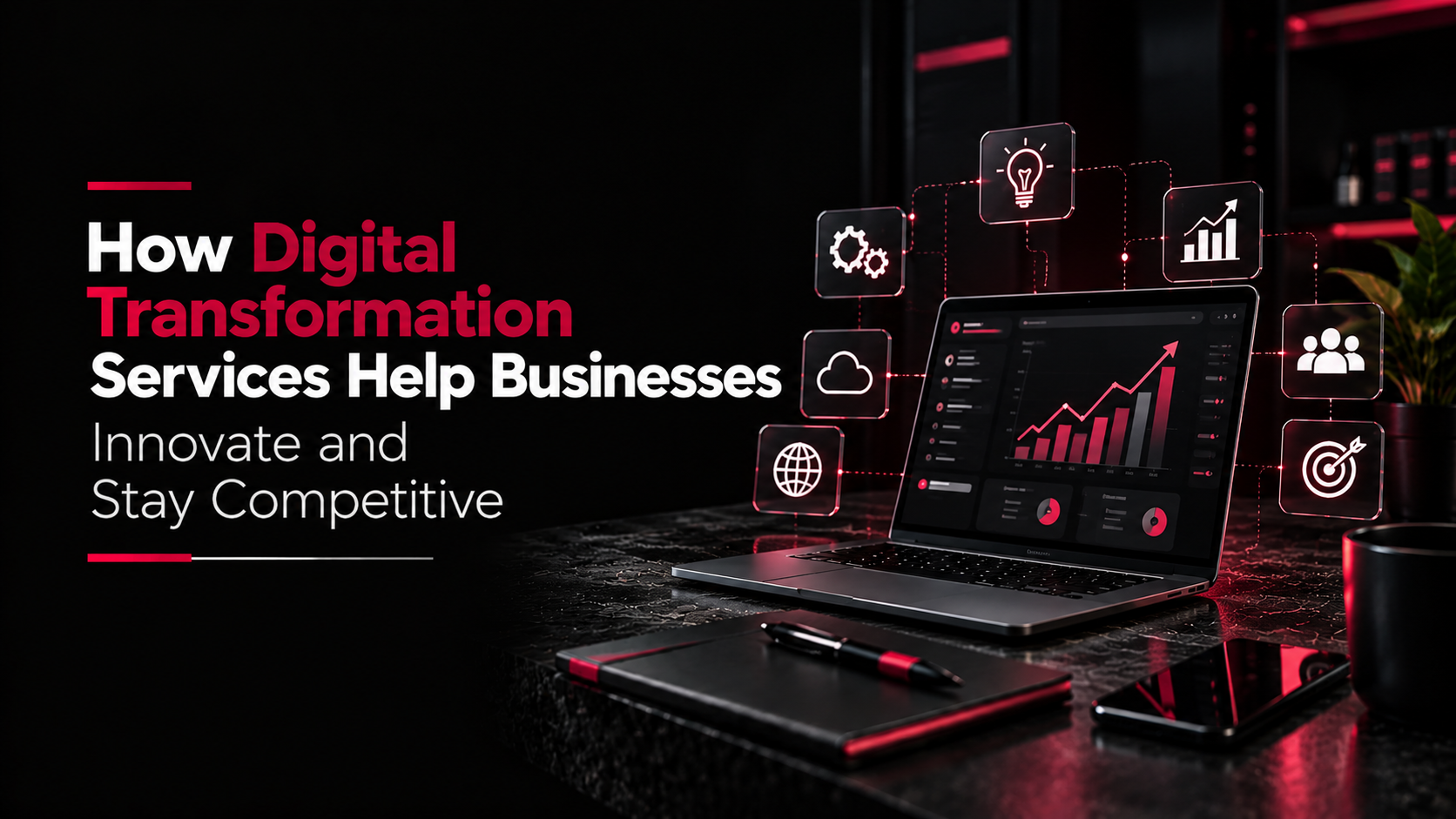
"Digital transformation" sounds like something only large corporations do with expensive consultants. For a small or medium business it usually means something much simpler: replacing paper, spreadsheets and manual steps with systems that save time and give you a clearer view of what's going on.
What it looks like in practice
- Taking orders online instead of over the phone and in a notebook
- Moving from Excel to proper billing or inventory software
- Sending invoices and payment links on WhatsApp or email, paid by UPI
- Giving field staff an app instead of a stack of paper forms
- Seeing sales, stock and cash in one dashboard instead of three files
The technology involved
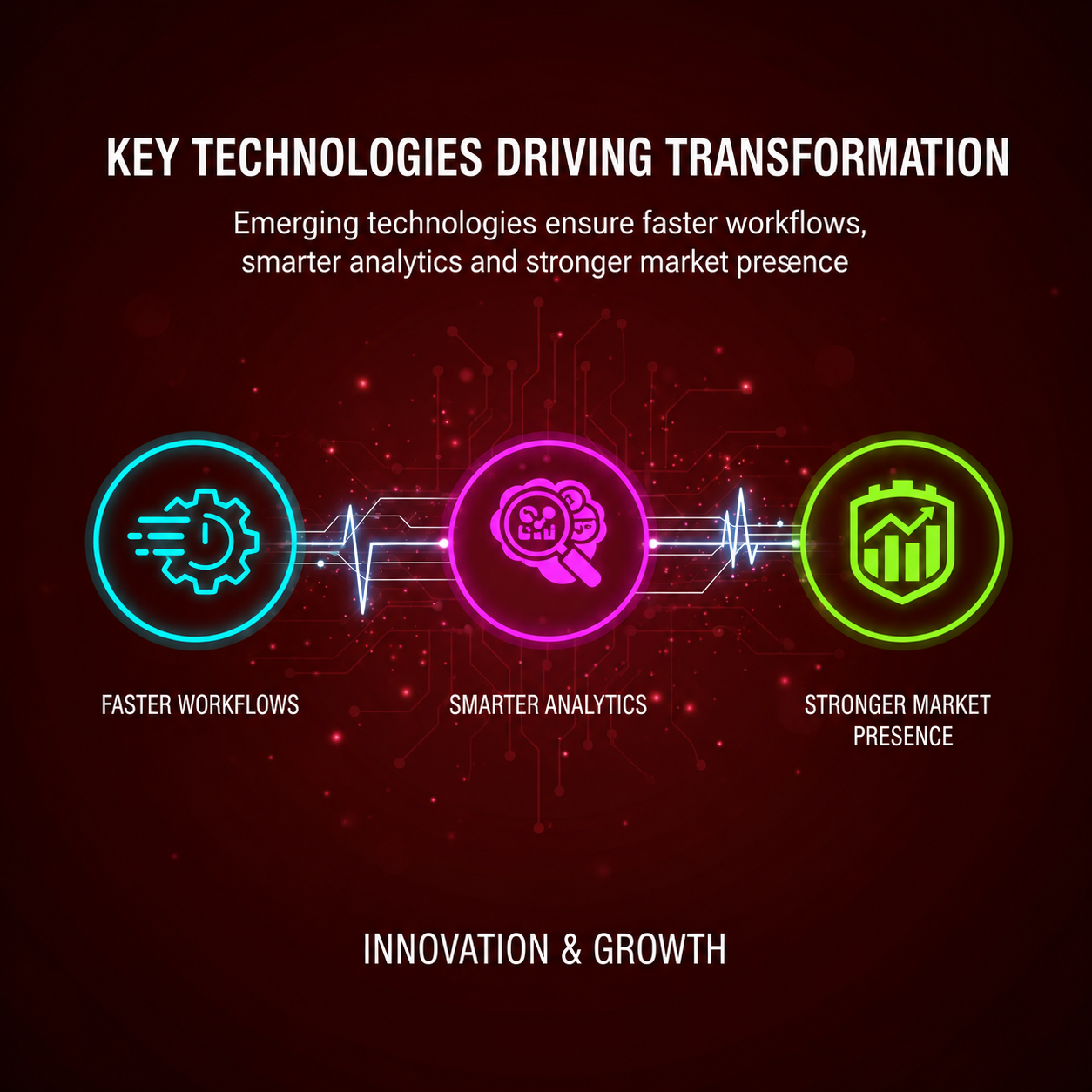
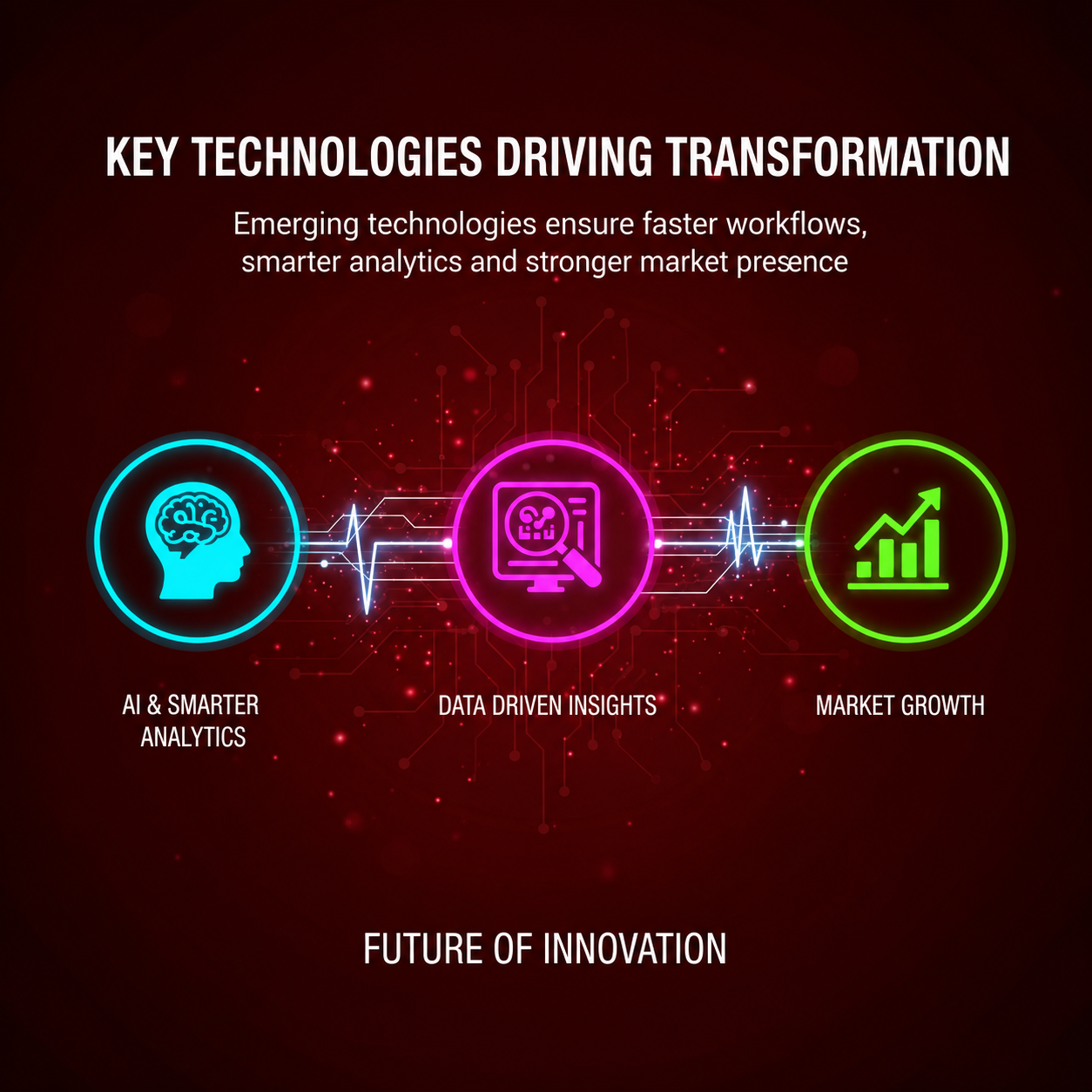
Most of it isn't new or exotic: cloud software so information is available anywhere, mobile apps for customers and staff, integrations that let your website, billing and accounts talk to each other, automation for repeated tasks like reminders and reports, and increasingly AI for text-heavy work like customer queries.
What you get out of it
- Hours saved every week on manual work
- Fewer mistakes from copying data between systems
- Faster service for customers, and a better impression
- Decisions based on real numbers rather than guesswork
- A business that can grow without hiring for every new task
“Innovation happens when technology meets strategy.”
Where it's moving fastest
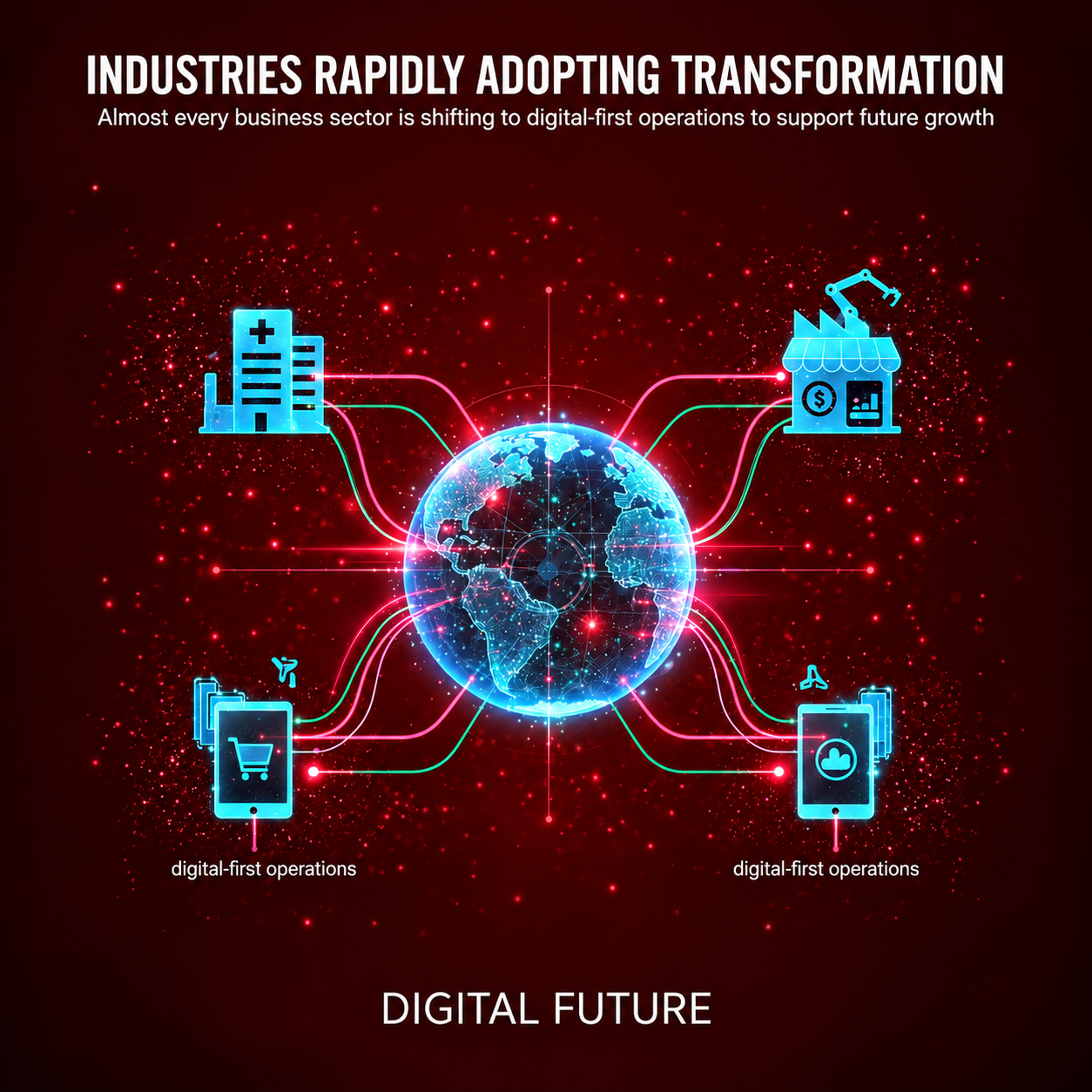
Retail and distribution (online orders, stock and delivery tracking), healthcare (online appointments and digital records), education (online admissions, fee collection and classes) and manufacturing (production tracking and dealer portals) are changing quickest. The same ideas apply to almost any business with processes it repeats every day.
Mistakes that waste money
- Buying software before understanding the problem. Map how the work flows first.
- Changing everything at once. Start with the process that hurts most, get it working, then move on.
- Ignoring the people. If staff don't understand or trust a new system, they quietly go back to the old way. Training matters as much as the software.
- Choosing tools that can't connect. Every system you add should be able to share data with the others.
Where to start
Pick the one task your team complains about most, or the one that eats the most hours. Fix that properly. The time it frees up, and the confidence it builds, makes the next step much easier.
